
Brazil’s Election: A Game Changer for Women’s Football
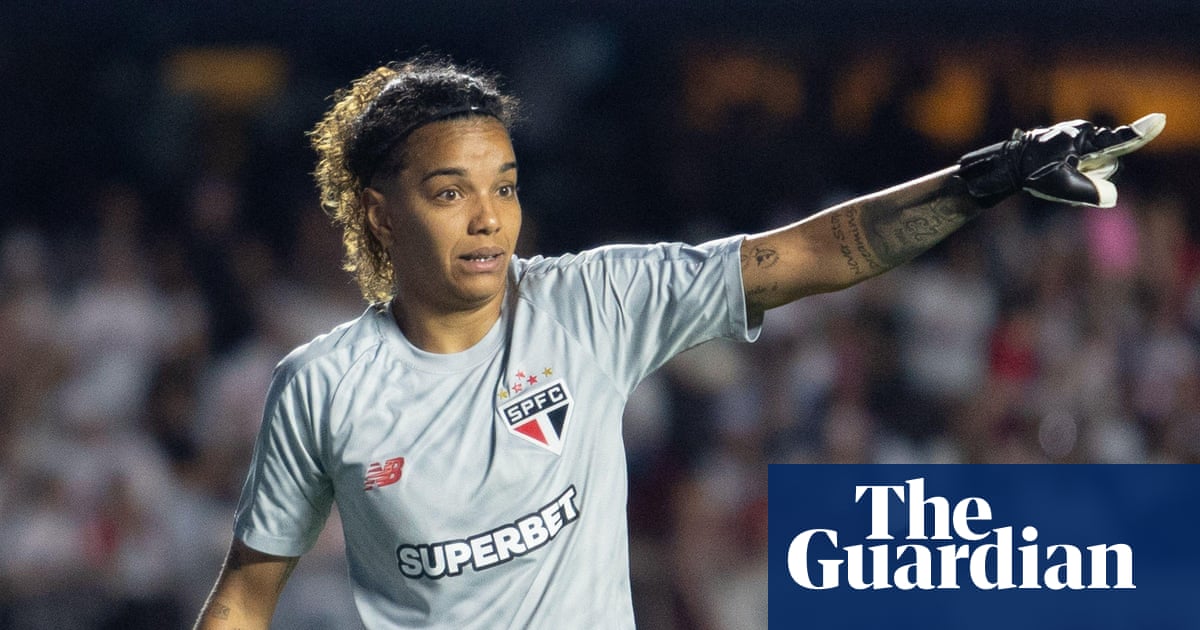
In Brazil, the stakes are high as female players like Carlinha and Tayla Carolina raise their voices against the far-right, fearing for the future of women's football and society as a whole.
Just a day before the Brazilian elections kicked off, the Estádio do Morumbi buzzed with excitement as São Paulo faced off against Corinthians in the second leg of the Brazilian Women’s Championship final. The match ended in a thrilling 1-1 draw, securing São Paulo’s 3-2 aggregate win and their Brasileirão Women’s title.
After the game, goalkeeper Carlinha took the opportunity to address a massive audience of 23 million viewers, passionately declaring, "Never again Bolsonaro in power!" Her words resonated deeply, particularly after the loss of her grandmother during the pandemic, a time when misinformation spread by Bolsonaro's administration led to tragedy for countless families. With over 700,000 lives lost, the fear of a far-right resurgence looms large as Bolsonaro's son, Flávio, challenges the incumbent leftist leader, Luiz Inácio Lula da Silva.
"I didn't just think of my grandmother during that interview; I miss her every day," Carlinha shared with Moving the Goalposts. "Speaking out during such a pivotal moment for Brazilian democracy felt like a relief. As a journalism student, I understand the consequences of a right-wing victory."
Carlinha isn’t alone; many female players have harnessed social media to voice their concerns leading up to the presidential election, which is set to culminate in a second round of voting this Sunday. Meanwhile, the patriarch of the Bolsonaro family is currently serving a lengthy sentence under house arrest for attempting a coup.
Another standout player, Tayla Carolina, went viral for sharing her family’s story, emphasizing how Lula's policies positively impacted her mother and grandmother, both of whom worked tirelessly as cleaners. "I come from a humble background and know the struggles of the majority of Brazilians," she wrote. "My mother worked for years without receiving her rights and passed away without ever having the chance to see me play."
Her words struck a chord, especially as Brazil recently approved shorter working weeks, a significant step forward in addressing inequality. Tayla elaborated, "I come from a place where poverty is prevalent, yet the country is often seen as thriving. This highlights the vast inequalities rooted in exploitation. As a public figure, I feel compelled to speak out."
The player organization Fifpro recently released a study revealing that nearly half of female footballers consider early retirement due to the psychological and financial strains of the sport. With the Women’s World Cup slated for Brazil next year, both Carlinha and Tayla believe the election outcome will play a crucial role in shaping the future of women’s football.
"One political side clearly expresses its stance on women’s rights," Carlinha noted, referencing politicians like Eduarda Campopiano, who has openly declared herself an enemy of feminists and denied the existence of femicide. Tayla echoed the need for supportive policies during this critical time, stating, "We require government backing; the election results will undoubtedly influence the trajectory of the women’s game."
In June 2026, Lula approved a World Cup law that outlines a commitment to enhancing women’s football in Brazil. This includes initiatives for increasing female participation, professionalizing the game, combating discrimination, and boosting the sport's economic and cultural aspects. Conversely, Bolsonaro’s proposals lack mention of the World Cup, focusing instead on maintaining traditional gender categories in sports.
Football in Brazil, both men's and women's, has long been intertwined with political dynamics. The rise of social media has amplified players' political voices, with Neymar often aligning with the far-right while Tottenham's Richarlison advocates for leftist causes.
While female players may not have the same social media clout as their male counterparts, the implications of the election results could have a more profound effect on women’s football. Kely Nascimento, daughter of the legendary Pelé and director of the Nascimento Foundation, emphasizes that women athletes lack the financial protections often afforded to their male peers, underscoring the critical role of the players themselves in shaping the future of Brazilian football.