Revamping the Fifa Peace Prize: A Chance for Genuine Recognition
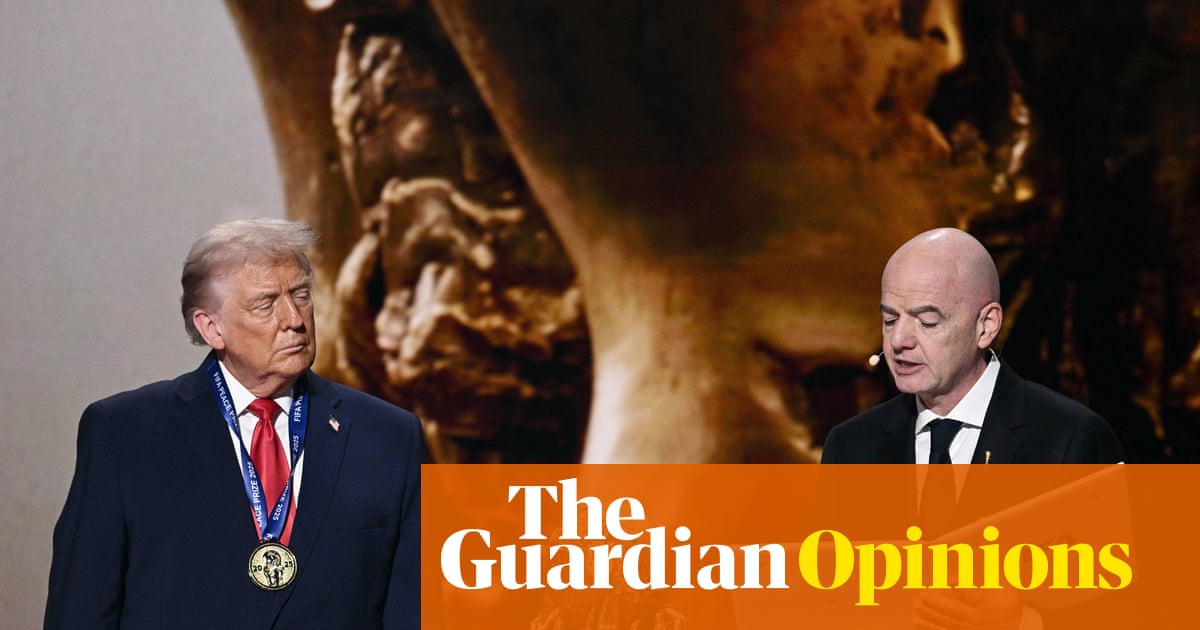
The Fifa peace prize has had a rough start, overshadowed by its first recipient and now relegated to a committee that seems more interested in image than integrity. Gianni Infantino, Fifa's president, has offloaded the prize onto the so-called “social responsibility committee,” hoping to reshape it rather than admit it was a misguided endeavor from the get-go.
Let’s face it: the initial award was a triumph in its own twisted way. It was designed to flatter Donald Trump, securing his backing as Infantino aimed to tap into North America's lucrative market. Trump, ever the showman, basked in the glory of the golden trophy, momentarily forgetting his aspirations for the Nobel peace prize.
So, what’s next for the peace prize? The 22-member social responsibility committee, one of several Infantino created to reward loyalists, is now tasked with redefining the award. According to reports, the goal is to shift the focus toward social harmony and responsibility, likely steering clear of political figures. With Mohammed bin Salman, the host of the 2034 World Cup, likely not needing any flattery, there seems to be no pressing autocratic agenda to cater to.
The first iteration of this prize will stand as a testament to Infantino’s vanity, a symbol of his era of bowing to authoritarian figures. But as he navigates the fallout from his controversial World Cup privatization plans and approaches another presidential election, he may have to tread carefully.
A new Fifa peace prize could genuinely spotlight the positive effects soccer can have on society. The sport transcends mere competition; it reflects cultural dynamics and often serves as a platform for change. Soccer can become a powerful tool for good.
Imagine awarding the prize to Afghan Women United for their bravery as they represent their country while living as refugees. They may have lost their matches against the Cook Islands in June, but their fight against the Taliban’s oppression is a powerful statement.
Or consider Ukrainian club Shakhtar Donetsk, which has not only survived but thrived despite the ongoing conflict in their homeland. Their resilience in the face of adversity deserves recognition.
Let’s also honor former Spain international Juan Mata for his initiative with Common Goal, encouraging players to donate a fraction of their earnings to charity. Marcus Rashford's campaign to ensure children had meals during the pandemic, Sadio Mané's contributions to healthcare in Senegal, and N’Golo Kanté’s efforts in Mali are all worthy of appreciation.
The Scotland Tartan Army, famous for their charitable fundraising wherever they go, and the England players who have donated their match fees since 2007, accumulating over $6.7 million for good causes, should also be celebrated.
How do these contributions tie into the concept of peace? It’s a fair question. The peace prize might need a fresh name to distance it from its controversial beginnings. A clearer set of criteria could help define its purpose better. While it’s essential to avoid political entanglements, acknowledging social good doesn’t mean shying away from political issues altogether.
In the end, if the prize is genuinely aimed at honoring those who use the sport to make a difference, it can become a meaningful accolade—one that serves more than just the interests of the Fifa president.