Football Australia Chair Sees FIFA's Challenges as Natural Growth Pains
Anter Isaac, the chair of Football Australia, has brushed aside worries regarding FIFA's controversial push towards World Cup privatization, ahead of a significant meeting of Asian confederation officials in Tokyo this week.
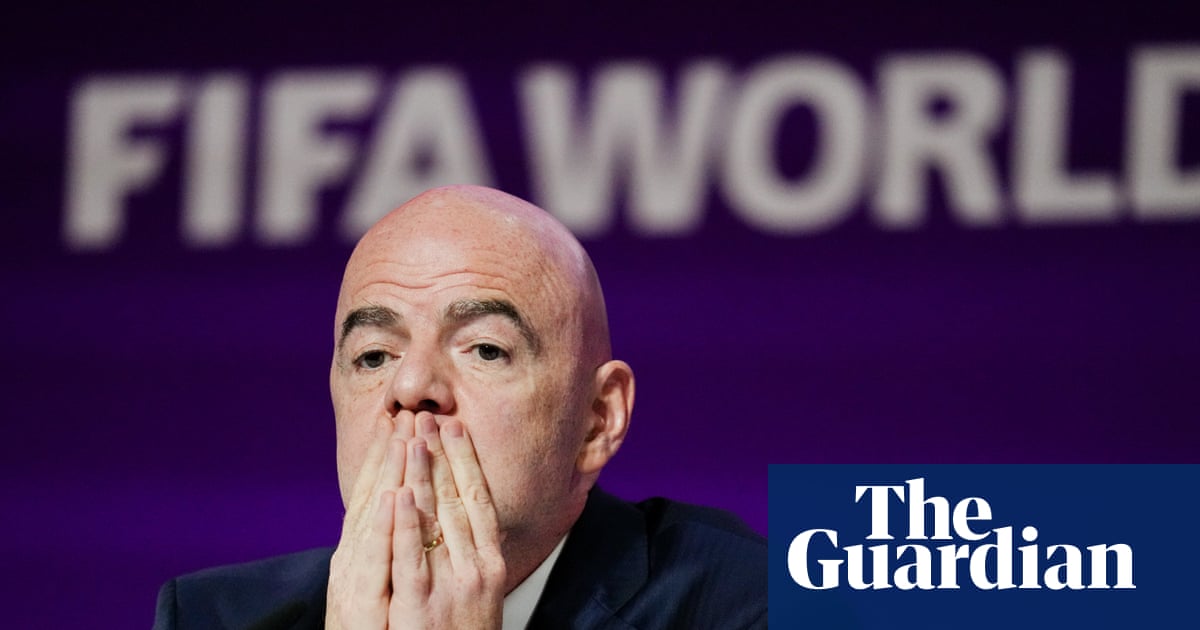
His comments come at a time when FIFA president Gianni Infantino is experiencing a resurgence of support, despite facing heavy criticism from officials in Europe and North America. Infantino, who once seemed on shaky ground, now enjoys backing from South America, Africa, and an increasing number of Asian nations, potentially securing his position for the upcoming presidential election in March.
This week, continental leaders are gathering in Tokyo for the Asian Football Confederation congress. Although FIFA's leadership and governance aren't on the formal agenda, it’s a hot topic among attendees, especially with the Asian Cup scheduled to take place in Saudi Arabia this January.
Isaac, in a recent interview on a lesser-known sports business YouTube channel, addressed the current state of FIFA. "We could choose to look at this as a mess, or we could adopt a more mature perspective and recognize these as growing pains," he remarked.
He pointed out the significant revenue growth FIFA has seen in recent World Cup cycles, suggesting that the organization’s systems may not have evolved at the same pace. Isaac firmly believes that those involved in football generally aim to act in the sport's best interests, even if their methods sometimes miss the mark.
“Everyone I’ve interacted with genuinely wants to do what's best for football,” he said. “Sure, there can be misalignments in approach or communication, but the intent is usually there.”
In August, Football Australia had previously addressed the controversial FIFA Forward Enterprise (FFE) proposal, calling for transparent and credible actions but refraining from demanding Infantino's resignation. This stance aligned with a letter co-signed by AFC president Sheikh Salman bin Ibrahim Al Khalifa, which called for FIFA leadership that prioritizes football over control.
Since then, Salman appears to have softened his criticism of Infantino, advocating instead for improved governance within FIFA. Meanwhile, a growing number of Asian nations, including Qatar and the UAE, are beginning to show their support for the FIFA president.
Isaac noted that while criticism of organizations like FIFA, AFC, and UEFA is common, many critics lack a deep understanding of the complexities involved. “If I only had the same information as the critics, I might reach the same conclusions,” he said. “But I have access to a broader view and see the substantial work being done to support various stakeholders, especially those in need.”
This week, UEFA reached out to FIFA with a request for clarification on several contentious issues, including the proposed sale of a portion of FIFA's commercial rights under the now-defunct FFE. Following last week’s FIFA council meeting in Zurich, Infantino faced questions but didn’t provide extensive responses, instead calling for written inquiries to be submitted ahead of the next meeting in Doha on December 16.
Isaac indicated that it’s too early to discuss his potential support for Infantino in the upcoming election. While he has his own opinions, he prefers not to be overtly critical. He believes that the focus should be on addressing the processes that led to the current situation, stating, “I am encouraged that everyone is now looking at how we can diagnose what could have been done differently to prevent these issues in the future.”